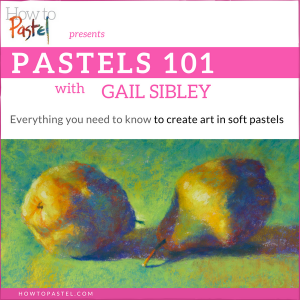
What Is A Studio, Really?
Do you need an art studio in order to paint regularly? Perhaps the better question is: what makes a space support your return to the work?

Do you need an art studio in order to paint regularly? Perhaps the better question is: what makes a space support your return to the work?
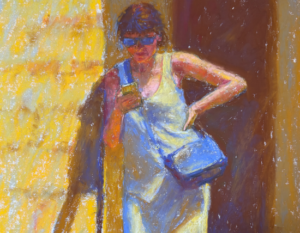
Sometimes it’s not the whole scene that makes you want to paint — it’s one gesture, one shadow shape, one small visual surprise. Here’s what drew me to this scene and how that shaped the painting.
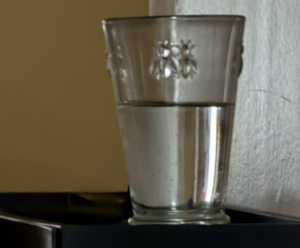
A disappearing glass edge, reflections in cutlery, glowing leaves, and shadows on a church wall—small moments that reveal how artists learn to see.
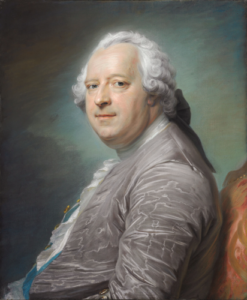
A quieter portrait than his famed Pompadour, Maurice-Quentin de La Tour’s pastel of Jean-Charles Garnier rewards close looking — revealing how small, deliberate choices create presence and personality.

Portrait backgrounds can make or break a painting. In this guest post, Alain Picard shares four simple but powerful principles for creating backgrounds that truly support the portrait.

An email arrives. Someone loves your work. Your heart leaps. But not all enquiries are created equal. In this Studio Musing, I unpack a scam message and explore how to tell the difference between flattery and genuine interest.

While painting in La Manzanilla, Mexico, I noticed a quiet thread running through three small pieces — pairs of people together, talking, waiting, simply being. These beach conversations became an exploration of connection, restraint, and the power of suggesting just enough.

What I thought would be a plein air painting trip turned into something quite different. Away from home, with fewer distractions and quieter demands, I found myself finally getting to the work I’d been wanting to do for a long time.

There’s a particular kind of pressure that shows up at the start of a new year — especially for artists. Whether the year behind you felt full or frustrating, the urge to rush forward can be surprisingly loud. This studio musing is a gentle invitation to pause, release self-judgement, and begin the year with curiosity rather than pressure.
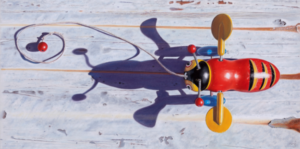
Entering art competitions can be exciting, daunting, and deeply personal. In this guest post, Michael Freeman shares thoughtful, experience-based insights into navigating the competitions landscape — from deciding whether competitions are right for you, to improving your chances of acceptance, and handling disappointment when things don’t go your way. Grounded, honest, and practical, his reflections help artists approach competitions with clarity, resilience, and a stronger sense of self.