What Is A Studio, Really?
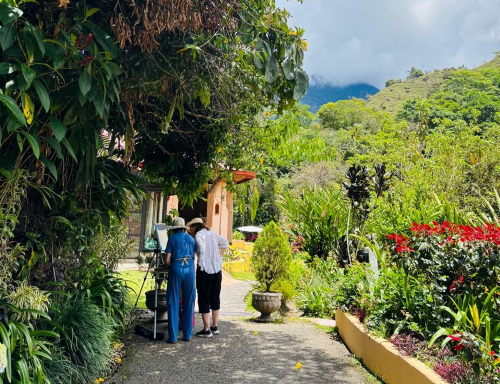
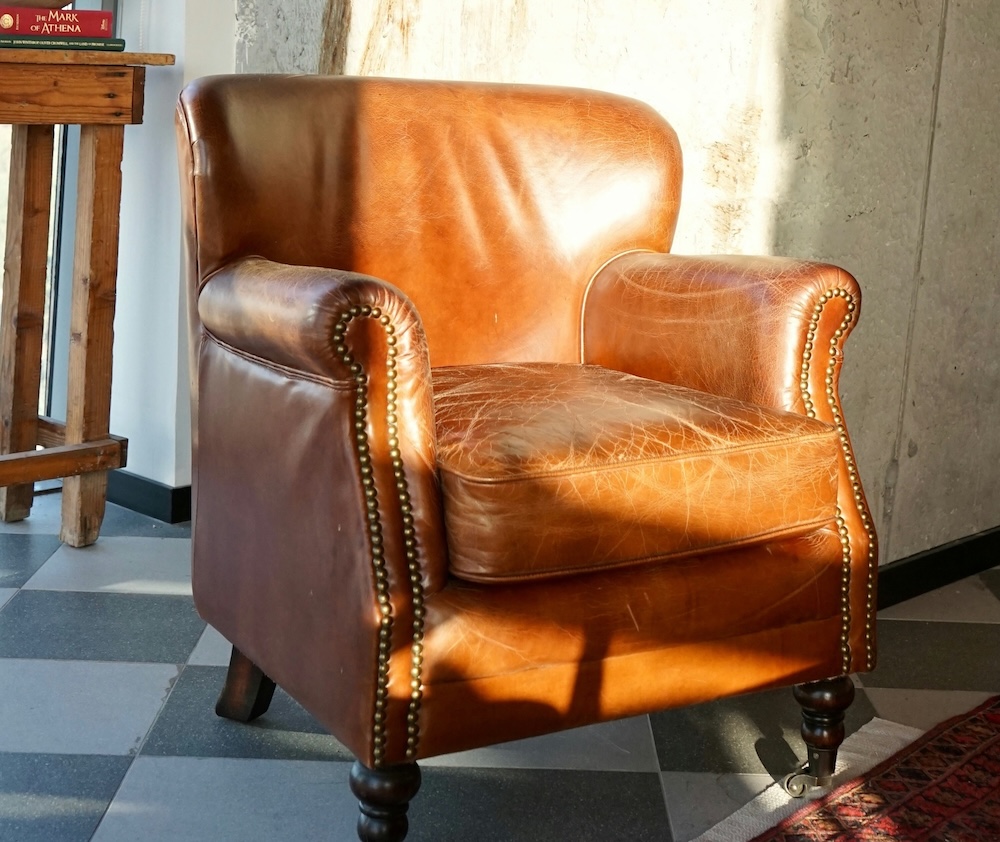
Do you need an art studio in order to paint regularly? Perhaps the better question is: what makes a space support your return to the work?

Do you need an art studio in order to paint regularly? Perhaps the better question is: what makes a space support your return to the work?

Sometimes it’s not the whole scene that makes you want to paint — it’s one gesture, one shadow shape, one small visual surprise. Here’s what drew me to this scene and how that shaped the painting.

A disappearing glass edge, reflections in cutlery, glowing leaves, and shadows on a church wall—small moments that reveal how artists learn to see.

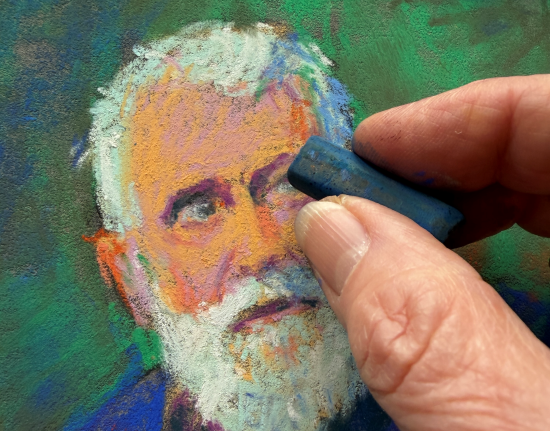
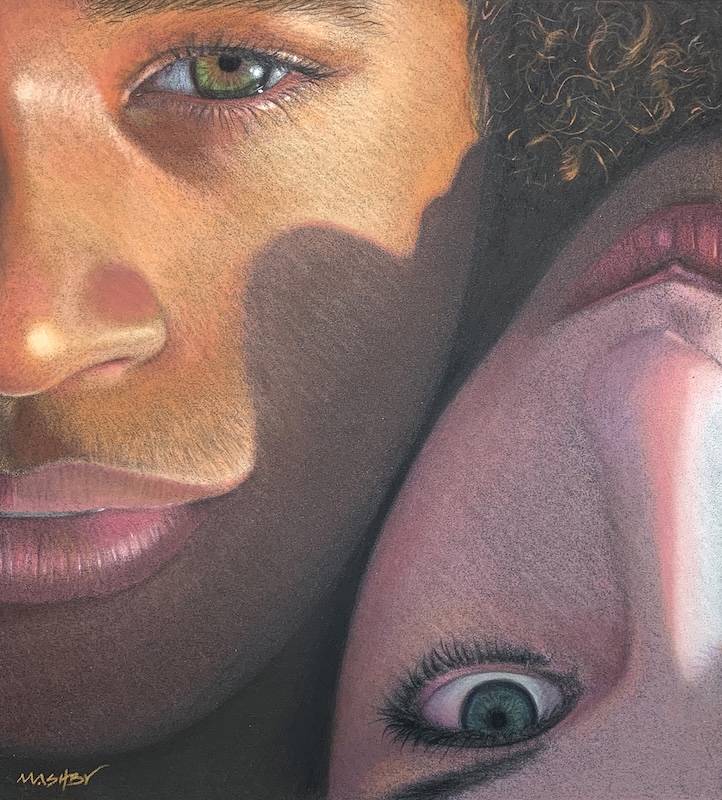
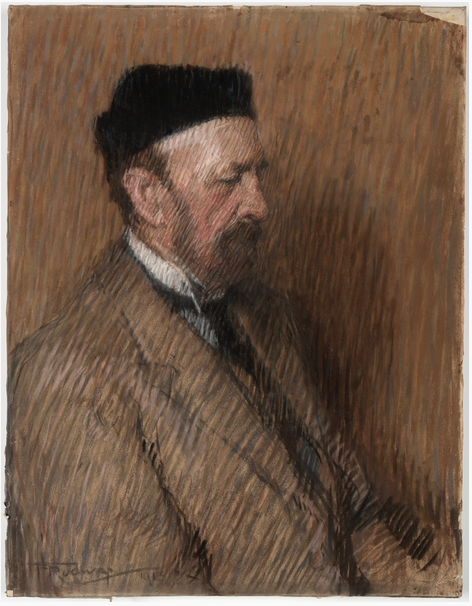
A quieter portrait than his famed Pompadour, Maurice-Quentin de La Tour’s pastel of Jean-Charles Garnier rewards close looking — revealing how small, deliberate choices create presence and personality.

Portrait backgrounds can make or break a painting. In this guest post, Alain Picard shares four simple but powerful principles for creating backgrounds that truly support the portrait.
An email arrives. Someone loves your work. Your heart leaps. But not all enquiries are created equal. In this Studio Musing, I unpack a scam message and explore how to tell the difference between flattery and genuine interest.

While painting in La Manzanilla, Mexico, I noticed a quiet thread running through three small pieces — pairs of people together, talking, waiting, simply being. These beach conversations became an exploration of connection, restraint, and the power of suggesting just enough.
What I thought would be a plein air painting trip turned into something quite different. Away from home, with fewer distractions and quieter demands, I found myself finally getting to the work I’d been wanting to do for a long time.


Portrait backgrounds can make or break a painting. In this guest post, Alain Picard shares four simple but powerful principles for creating backgrounds that truly support the portrait.

An email arrives. Someone loves your work. Your heart leaps. But not all enquiries are created equal. In this Studio Musing, I unpack a scam message and explore how to tell the difference between flattery and genuine interest.

While painting in La Manzanilla, Mexico, I noticed a quiet thread running through three small pieces — pairs of people together, talking, waiting, simply being. These beach conversations became an exploration of connection, restraint, and the power of suggesting just enough.
Do you need an art studio in order to paint regularly? Perhaps the better question is: what makes a space support your return to the work?

Sometimes it’s not the whole scene that makes you want to paint — it’s one gesture, one shadow shape, one small visual surprise. Here’s what drew me to this scene and how that shaped the painting.

A disappearing glass edge, reflections in cutlery, glowing leaves, and shadows on a church wall—small moments that reveal how artists learn to see.

A quieter portrait than his famed Pompadour, Maurice-Quentin de La Tour’s pastel of Jean-Charles Garnier rewards close looking — revealing how small, deliberate choices create presence and personality.


What I thought would be a plein air painting trip turned into something quite different. Away from home, with fewer distractions and quieter demands, I found myself finally getting to the work I’d been wanting to do for a long time.

There’s a particular kind of pressure that shows up at the start of a new year — especially for artists. Whether the year behind you felt full or frustrating, the urge to rush forward can be surprisingly loud. This studio musing is a gentle invitation to pause, release self-judgement, and begin the year with curiosity rather than pressure.

Entering art competitions can be exciting, daunting, and deeply personal. In this guest post, Michael Freeman shares thoughtful, experience-based insights into navigating the competitions landscape — from deciding whether competitions are right for you, to improving your chances of acceptance, and handling disappointment when things don’t go your way. Grounded, honest, and practical, his reflections help artists approach competitions with clarity, resilience, and a stronger sense of self.

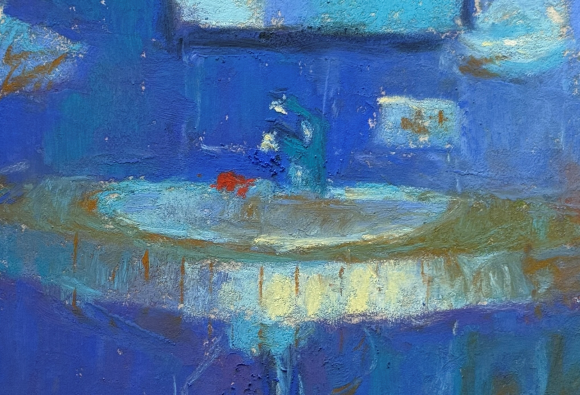
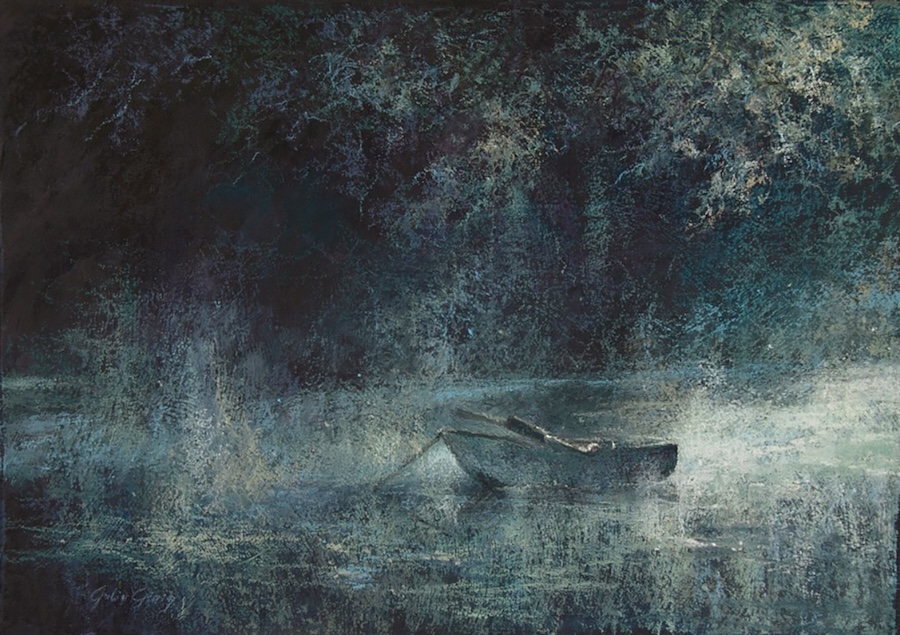
Join me as I share the progression of a pastel nocturne — from thumbnail and charcoal block-in to layered colour and deepening night with glowing light — along with the thinking behind each stage.

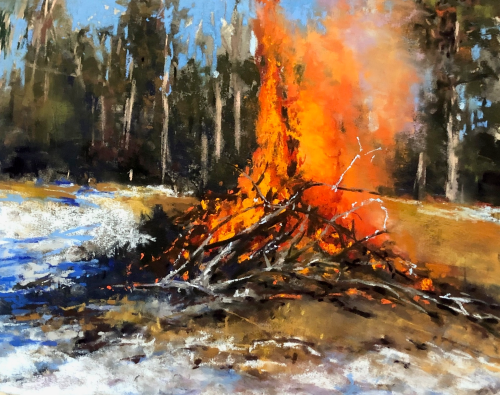
When an artist turns her gaze towards fire, something magical happens. In this guest post, Beth Tockey Williams shares how she captures the flicker, glow, and elusive dance of flames in pastel — from the first spark to the final trail of smoke.

Imagine painting surrounded by olive trees, the scent of sea air, and the sounds of laughter over dinner. That’s exactly what our Corfu art retreat offered — an unforgettable mix of plein air painting, friendship, and artistic courage. Join me as I share the magic, the moments, and the paintings from our week together in Greece.

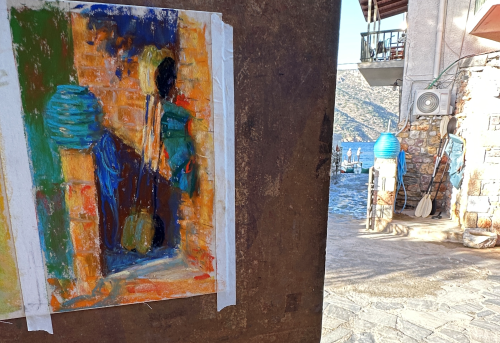
Ever told yourself there’s just no time to paint? It’s easy to think that but a few snatched sessions in a tiny Greek village reminded me of what’s possible. In this post, I share three quick plein air paintings each created in well under an hour, how thumbnails made it happen, and why even short bursts at the easel can bring so much joy.

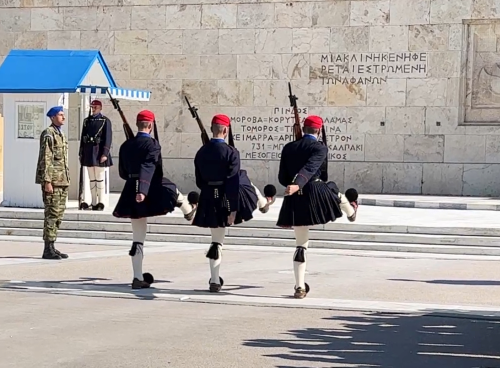
While in Athens after teaching in Corfu, I watched the Evzones perform the changing of the guard — a ritual of grace, symbolism, and history. It made me reflect on how beauty can carry deeper stories, both in ceremony and in art. Sometimes, it’s what lies beneath the surface — the quiet meaning, whether intended or found — that gives a piece its lasting resonance.

When artist Terrilynn Dubreuil lost her mother, she turned to her pastels to make sense of the grief. In this moving story, she shares how painting became both tribute and transformation — revealing the profound power of art to heal and express what words cannot.

At my last workshop, someone leaned in, all secretive, and whispered: “I don’t want to share my paintings until they’re… you

Pastels, breakthroughs, and a whole lot of bold moves — here’s what went down at this Northwest Pastel Society workshop.

Plein air painting with my Mum led to two paintings of one scene — and one powerful lesson about how thumbnails bring freedom to your art.

A light plein air painting trip with no easel and no grand plans—just five scenes, painted in the moment, with whatever was at hand.

Cory Goulet dives into her process of intuitive abstraction, where bold marks, colour, and courage meet discipline and practice. Discover how she balances chaos and harmony, lets intuition lead, and creates work that is both spontaneous and deeply intentional.

What makes something art—and when is it just kitsch? A curious studio musing sparked by a rock, a sister, and a few inconvenient questions.
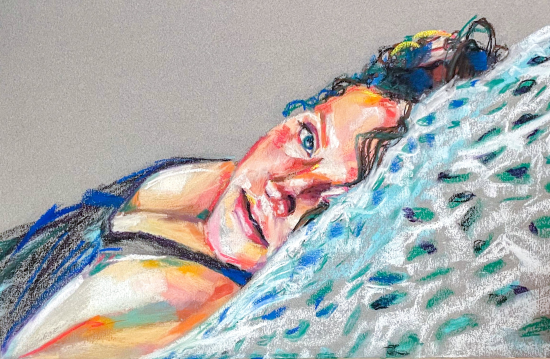
![Gail Sibley, [Not yet titled], Unison Colour pastels and a Sennelier pink on UART 400 mounted on board, 15 1/4 x 11 1/2 in -close up of face](https://www.howtopastel.com/wp-content/uploads/2025/07/11.-Gail-Sibley-Not-yet-titled-Unison-Colour-pastels-and-a-SEnnelier-pink-on-UART-400-mounted-on-board-15-14-x-11-15-in-close-up-of-face-Feature-image.jpg)
Explore each stage of this pastel painting and learn about the woman who sparked its creation.

In this guest post, Kira Ru-djen pulls back the curtain on her pastel practice — from blind sketches to bold colour and skeletal forms full of character. Whether painting figures, landscapes, or her beloved “skelebuddies,” her process reveals the deep connection between improvisation, intention, and joy.

I hadn’t been plein air painting in a while, but a spontaneous afternoon with my Mum reminded me why I love it. This post isn’t about masterpieces—it’s about showing up, painting what’s in front of you (even if it’s bins!), and rediscovering the joy of simply doing.

Discover how to use a mahlstick for pastel painting—what it is, how to make one, and why this old-school tool is still a game-changer.

Guest Susan Kuznitsky shares how she approaches complex subjects in pastel—from crowded café interiors to a crowd of grandchildren (yes, really!). Through years of experience, she’s learned how to simplify without sacrificing richness, and how to suggest detail without overworking it. If you’ve ever felt overwhelmed by too much going on in a scene, this is the read that’ll help!

We’ve all had those moments — when something finally clicks and everything shifts. I just returned from teaching three workshops filled with those lightbulb breakthroughs. Come see what sparked them — and maybe you’ll recognise something in your own art journey too.
There are so many ways to be artistic, and no one way is better. I believe, that art is a journey that we can all take, and that being creative is something that is healthy and possible for anyone.
In the How to Pastel Blog I let my love and the enjoyment I receive from teaching about pastels inspire and encourage others to explore the art form. The blog has tips, reviews, guests, and all manner of information about pastel use through the years – old and new.
So, please enjoy my posts and subscribe to receive the latest issues.


Be a part of HowToPastel’s journey in everything pastel. Subscribe today!
Your information will never be shared or sold to a 3rd party. Privacy Policy